
Planning / SaniClean Blog
Does homeowners insurance cover mold remediation?
How coverage usually depends on the cause of the moisture, and what to document before you call.
How coverage usually depends on the cause of the moisture, and what to document before you call.
Coverage usually follows the cause
Policies vary, so your own policy and adjuster have the final word. In general, insurers look at why the mold appeared. Mold that results from a sudden, covered event, such as a burst supply line, is treated differently from mold caused by long-term humidity, slow leaks or deferred maintenance.
Many policies also include specific mold limits or exclusions. Read the mold and water sections of your policy, or ask your agent to explain them, before work begins.
What to document
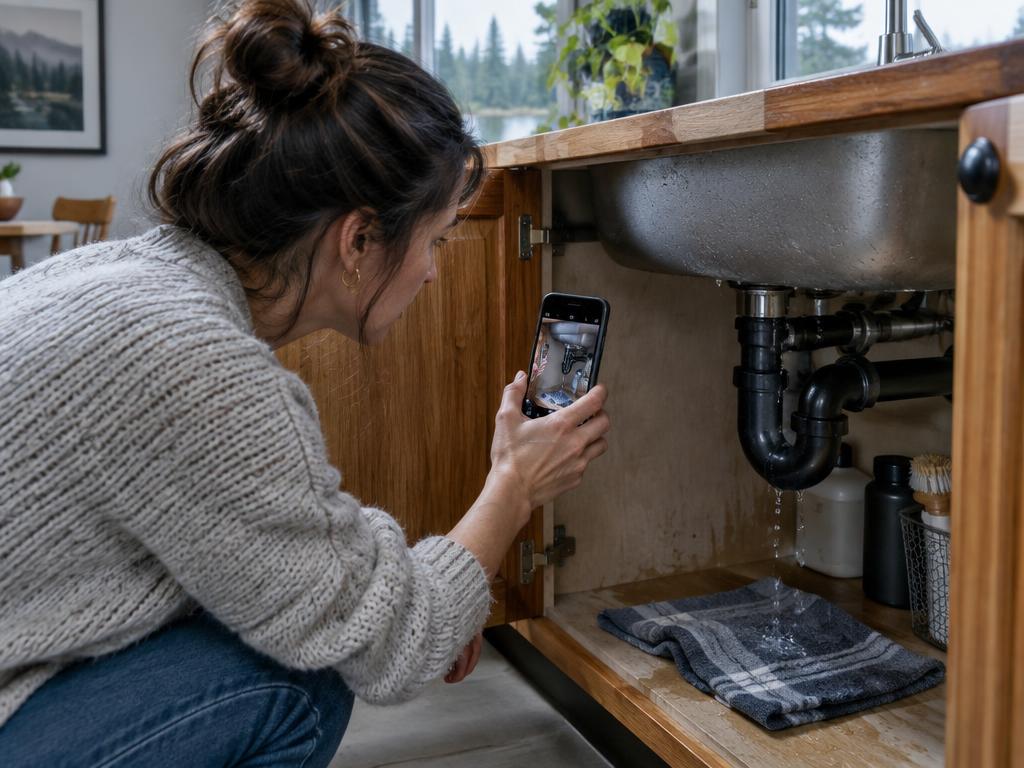
Photograph the damage before anything is moved, note the date you discovered it, and keep records of the leak source and any repairs. Save receipts for emergency work. If you rent, notify the property owner in writing.
A written assessment that describes the moisture source, affected materials and proposed scope helps the conversation with your insurer because it explains what happened and what is needed.
How we help
We can provide clear documentation of what we find and the work we recommend, so you can share it with your insurer. We do not promise coverage outcomes, because those decisions belong to the insurance company, but we keep the record organized and easy to follow.
Related service
Mold Remediation & RemovalAssessment-led mold treatment, with less invasive options where conditions permit.
Have a question about your property?
We can help you understand the next step.